


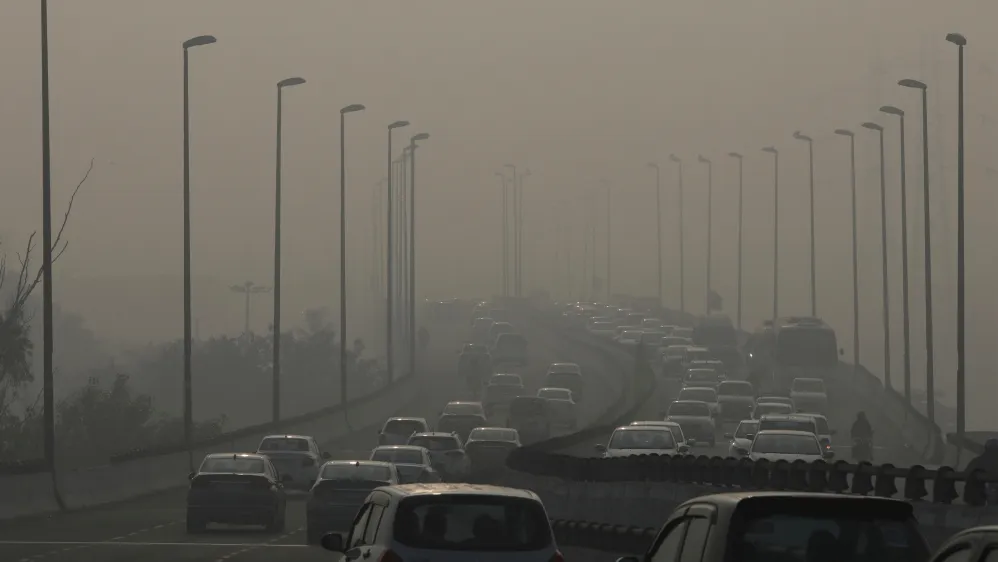
As the world is dealing with wars and natural disasters, air pollution remains another major concern. Vehicles are one of the sources of this pollution, and the government has been introducing stricter emission standards over the years to control it. Now, the proposed Bharat Stage VII (BS-VII) norms are expected to take these efforts a step further.
The Ministry of Road Transport and Highways introduced the Bharat Stage emission standards in 2000. These standards set limits on the pollutants that vehicles can release into the air and are based on European emission norms. India has gradually followed these rules, moving from BS-I to BS-VI.
Interestingly, the government skipped BS-V and moved directly from BS-IV to BS-VI in 2020. The move was aimed at speeding up the adoption of stricter emission standards and reducing vehicular pollution.
But why are new rules needed when BS-VI is already in place?
One reason is that apart from vehicle-related pollution, electric vehicles, which do not emit harmful gases while driving, can release particles into the air through tyre wear and the use of brakes.
How do tyres and brakes cause pollution?
As a vehicle moves along the road, friction between its tyres and the road surface causes tiny particles of rubber and other materials to break off. Similarly, applying the brakes creates friction between braking components, releasing microscopic particles, including metallic dust. These particles can mix with the air we breathe.
One of the major concerns is particulate matter PM 2.5. This refers to tiny particles that measure 2.5 micrometres or less in diameter. They can come from vehicle exhaust, industrial activities and the burning of fuels. Because of their small size, these particles can travel deep into the lungs. Long-term exposure can increase the risk of respiratory problems and heart disease. Moreover, as a car travels along the road, the friction between the tyres and the road surface causes small particles of rubber and other materials to break off and be released. Similarly, when brakes are applied, the friction between braking components generates microscopic particles, including metallic dust. These, too, can enter the air and affect the quality of the air we breathe.
What will change under BS-VII?
The proposed BS-VII standards aim to tighten vehicle emission controls further. Along with exhaust emissions, they are expected to address fuel evaporation and pollution caused by tyre and brake wear. The proposed rules are based on Europe's Euro VII emission standards.
The proposed timeline for BS-VII begins in April 2029, with implementation planned in stages. According to a source, the rules are expected to apply to light goods vehicles from April 2030 and buses and heavy commercial vehicles from April 2031. The final stage is expected to conclude in April 2035, while the timeline for two-wheelers is to be specified separately.
The proposed BS-VII norms aim to reduce pollution from vehicles, including electric vehicles. If implemented effectively, they could help improve air quality and protect public health.