


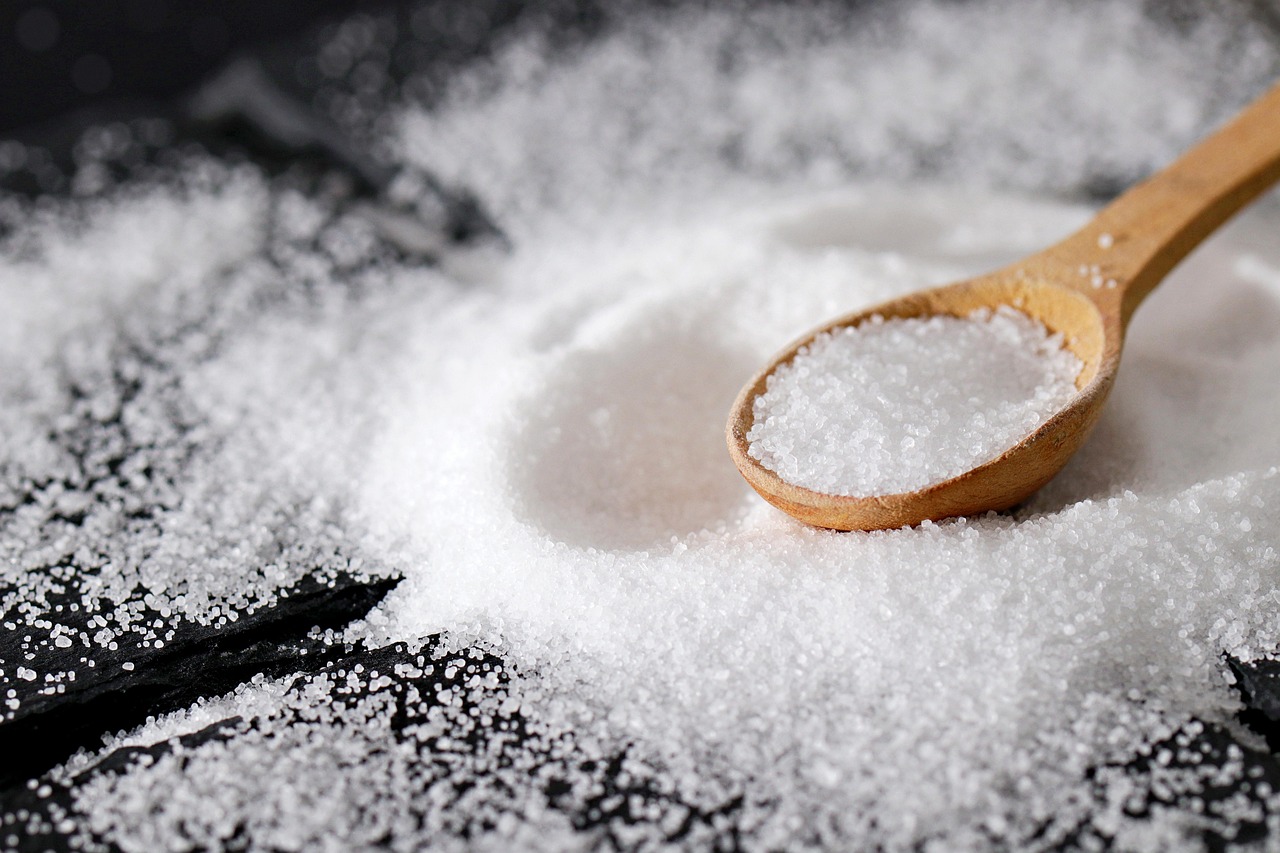
Around one-third of rural households in Tamil Nadu do not have enough iodine in their cooking salt, even as people in rural areas consume an average of 13 grams of salt a day, Health Minister K. G. Arunraj said on Monday.
Speaking at an event to mark World Iodine Deficiency Day, the Minister said a recent study by a medical education institute in Chennai had highlighted the problem. He also noted that cases of goitre, a condition that can be caused by iodine deficiency, had been reported in Madurai, Villupuram, Thanjavur, Ramanathapuram and Pudukkottai.
The Health Department is working to raise awareness about the importance of using iodised salt in everyday cooking. Awareness programmes are being conducted in schools and colleges, while action is being taken against shops selling salt without added iodine.
Village health nurses are also visiting homes to check the iodine content of cooking salt on the spot.
Iodine is an important nutrient needed for normal growth and brain development. A lack of it can affect brain development and increase the risk of miscarriage among pregnant women, the Minister warned.
According to Health Department figures, 6,576 salt samples were tested across the State so far this year. Of these, 5,784 samples, or 87.9%, contained more than 15 parts per million (ppm) of iodine, the recommended level. Another 777 samples, or 11.8%, had less than 15 ppm, while 15 samples, or 0.2%, contained no iodine.
The findings highlight the need to improve access to properly iodised salt and increase public awareness of the health risks linked to iodine deficiency.