



By Deiva abirami S
Do you have a teddy bear that you love sleeping with every night? Or is there a soft toy on your bed that has been with you since childhood? If you think only children sleep with a stuffed toy, then you should read this article about what wonders plush toys can do even to adults.
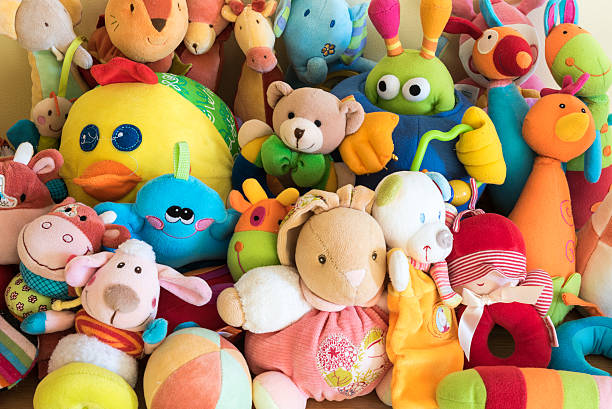
A plush toy is simply a soft toy filled with cotton or similar materials. It could be a teddy bear, a rabbit or any other cartoon character that you love. But why do we feel so comfortable hugging these toys? And is it really childish to sleep with one as an adult?
For many people, a stuffed toy is more than just something kept on the bed. It may remind them of their childhood, bring back happy memories or offer a little comfort after a hectic day.
More than just a toy
Think about the stuffed toys you had as a child. Did you give them names? Did you pretend to talk to them or make up stories about their adventures? Many children do these things as part of their play.
Through such activities, children use their imagination and create their own little worlds. A teddy bear might become their best friend, a brave explorer or even a member of the family. These simple moments can make childhood special.
Interestingly, the attachment to stuffed toys does not always end when childhood does. A 2017 survey in the United States, commissioned by Build-A-Bear Workshop and conducted by Atomik Research, found that 40% of adults slept with a stuffed toy beside them. The survey also reported that 72% planned to keep their stuffed toys forever.
These findings offer a glimpse into how much meaning a simple stuffed toy can hold for some people.
When stuffed toys encourage reading
Can a stuffed toy make reading more interesting for a child? Researchers explored this idea through a programme called the “Book Night Party” in 2017.
Led by Japanese molecular biologist Reiji Okazaki and his wife Tsuneko Okazaki, the programme encouraged preschool children to read picture books to their stuffed animals. The idea was to make reading feel like a fun activity rather than a task.
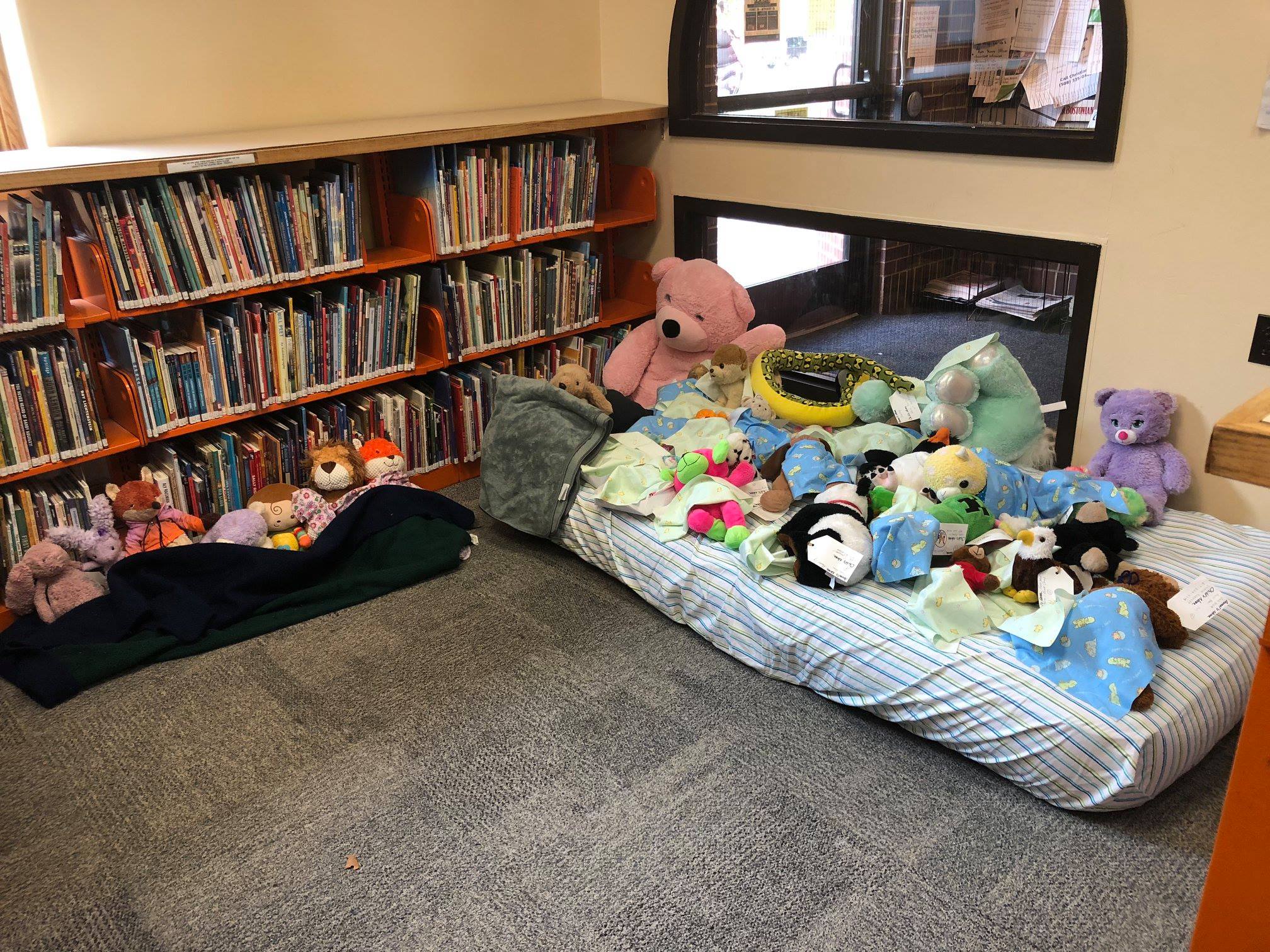
During the programme, teachers read books to the children and their toys. The children were encouraged to imagine that their toys could enjoy stories too. Teachers also took photographs of the stuffed animals in playful situations, such as reading books and exploring bookshelves.
The children were later encouraged to read picture books to their toys on their own. The researchers observed an increase in the number of children doing so after the programme. Although the initial effect decreased after a few days, a reminder activity helped encourage the children to read to their toys again.
The study showed how a little imagination and a favourite toy could make reading more engaging for young children.
A little comfort during recovery
Children can find hospital visits and surgery frightening. Being in an unfamiliar place and experiencing pain can make the experience difficult for them. In such situations, play can help take their minds off what is happening around them.
A 2014 study led by Ana M. Ullán and colleagues looked at how play could help children cope with pain after surgery.
As part of the intervention, the children received a plush rabbit dressed as a doctor. Their parents were also encouraged to use play to distract them during recovery.
The researchers recorded lower average pain scores among the children who received this intervention than among those in the control group at three post-surgical assessments.
The findings suggest that playful activities can also help make the recovery experience more comfortable for children.
A friend when feelings are hard to explain
According to psychologists, children do not always know how to explain what they feel. Sometimes, they may find it easier to express themselves through play than through words.
A favourite stuffed toy can become part of this process. Children often give their toys names, create personalities for them and imagine conversations with them. A child who feels worried might pretend that the teddy bear is worried too, or make up a story in which the toy faces a similar situation.
Such imaginative play gives children an opportunity to explore different feelings and experiences. A familiar toy may also provide comfort when they are in a new place, away from their parents or facing a change in their routine, psychologists say.
Of course, a stuffed toy cannot replace the care and support of parents or other trusted adults. But for some children, having a familiar toy nearby can make difficult moments feel a little easier.
A familiar face at bedtime
For some people, bedtime does not feel complete without a teddy bear tucked beside them. Hugging a soft toy may help them feel comfortable and relaxed as they settle down for the night.
Adults may have their own reasons for keeping stuffed toys. One might be a gift from someone special, while another might bring back memories of childhood. Some people simply enjoy the comfort of having something soft to hug.
According to sources, there is no need to feel embarrassed about this habit. People find comfort in different ways, and sleeping with a stuffed toy is a personal choice.
For children, stuffed toys can also become part of everyday routines. They might take their teddy bear along on a trip, make a small bed for it or include it in their bedtime stories. These little activities can become cherished memories as they grow older.
A stuffed toy may look like an ordinary object to someone else, but it can mean a great thing to the person who owns it.
So, if you have a teddy bear, a Winnie-the-Pooh or any other stuffed toy that makes you smile, there is no reason to hide it away just because you have grown up. Sometimes, the smallest things bring us the simplest joys.