



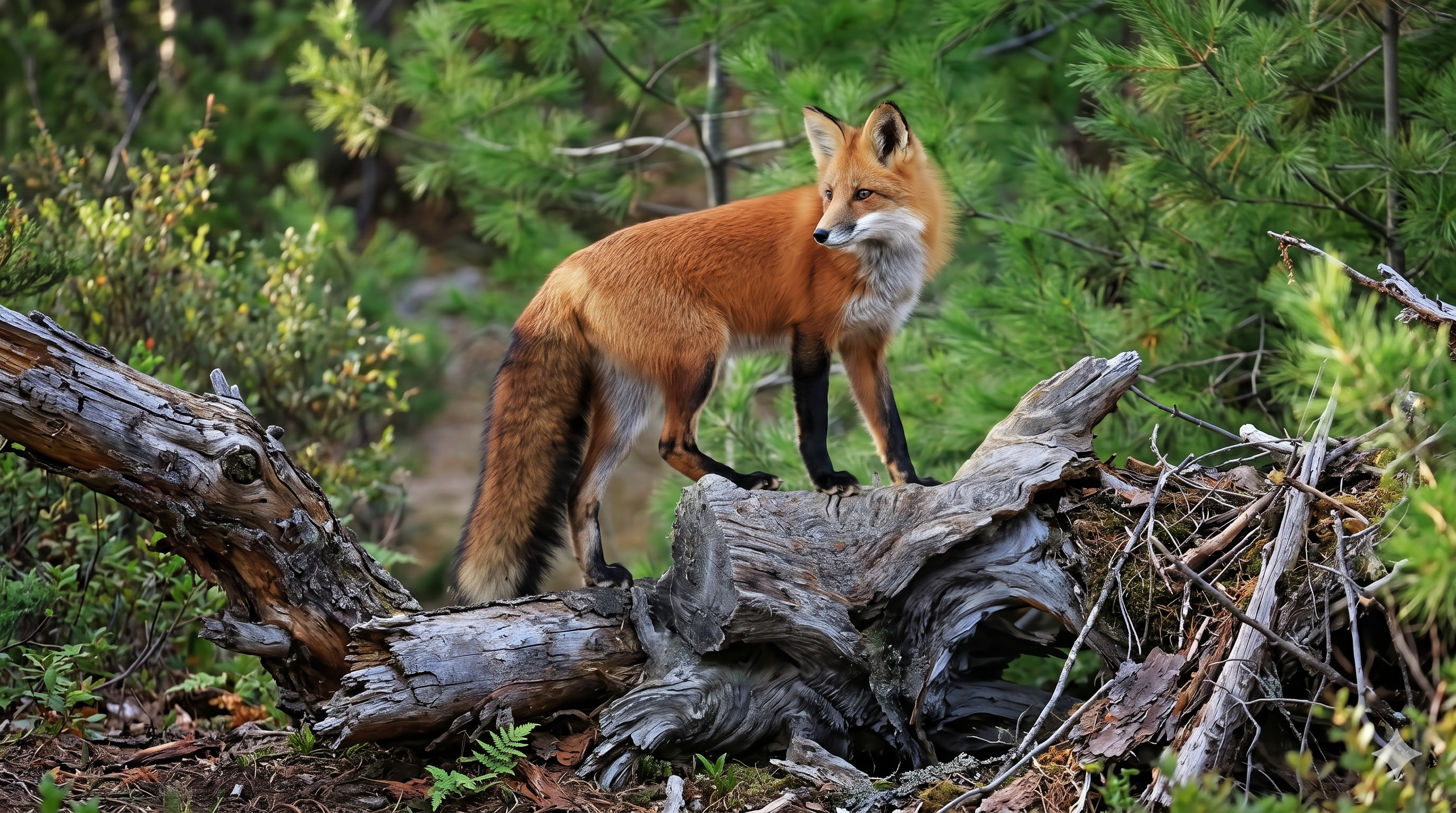
Often portrayed as cunning or deceitful in films and everyday conversations, the Indian fox plays an important role in maintaining ecological balance. However, wildlife researchers and animal welfare advocates have raised concerns over the decline in its population and the loss of its natural habitat.
A decline in the Indian fox population could affect the food chain and the balance between different species.
The Indian fox, also known as the Bengal fox, is a small member of the dog family found across the Indian subcontinent, including India, Nepal, Bangladesh and Pakistan. It commonly inhabits dry regions, scrublands, grasslands and areas with thorny vegetation.
The species is omnivorous and feeds on insects, rodents, small mammals, reptiles, birds, eggs and fruits. By feeding on rodents and other small animals, it plays an important role in the ecosystem.
According to Coimbatore-based organisation Zoo Outreach, Indian foxes are often found in agricultural fields and near human settlements, showing their ability to adapt to human presence. Their breeding season is usually from December to January. After a gestation period of 50 to 53 days, a female gives birth to two to four pups.
A study published in the Journal of Threatened Taxa points to habitat loss as a major threat to the species. The conversion of barren lands and grasslands into agricultural areas has reduced its natural habitat. Hunting and diseases transmitted by domestic and feral dogs are among the other threats linked to human activities.
According to the sources, only three confirmed sightings of Indian foxes had been documented in the southern districts of Tamil Nadu over the past decade, specifically in Thoothukudi and Tirunelveli. The lack of reliable population data, he said, highlights the need for further research and conservation efforts.